
Best Painter's Tape for Every Job: A Pro's Guide After 18 Years
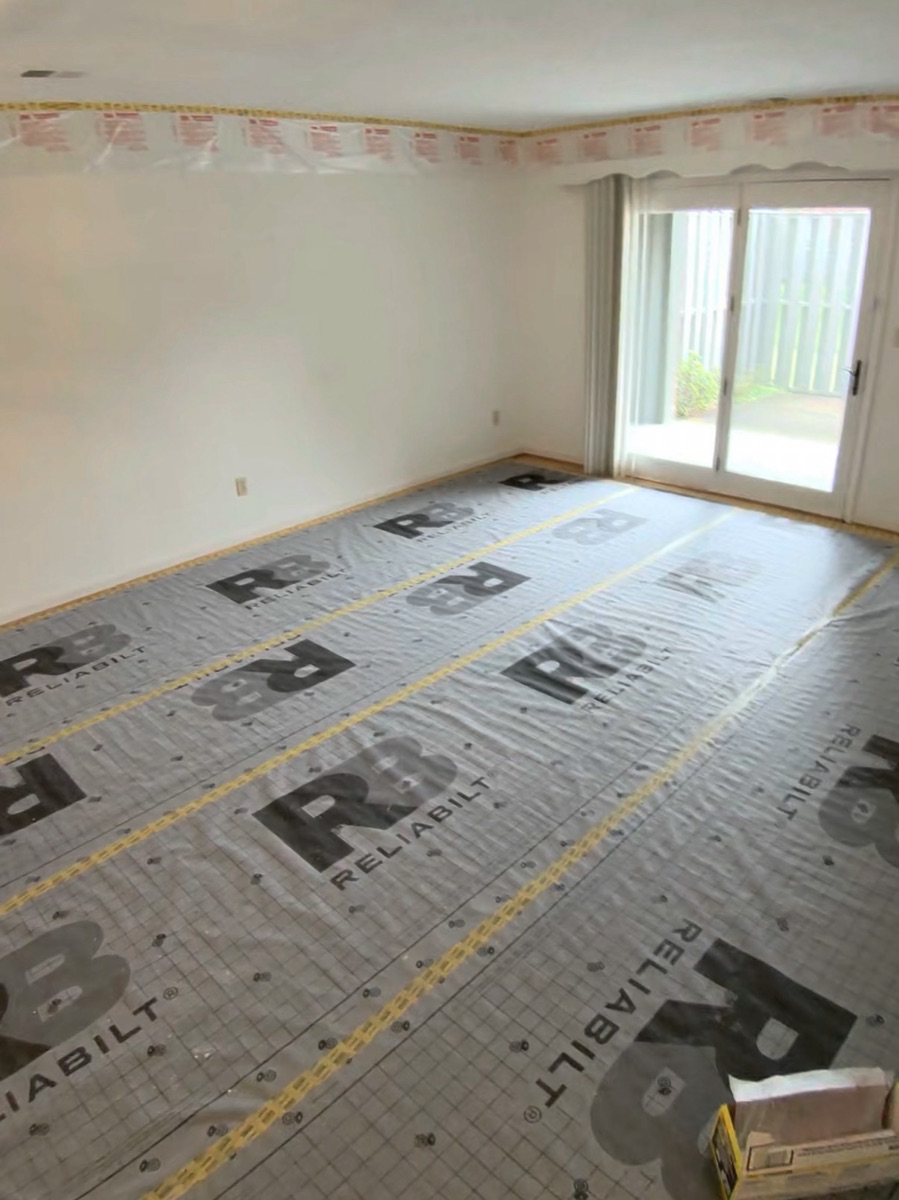
I'm Caleb at Rock's Painting in the Tri-Cities. I've been painting for 18 years, and my crew and I tape something on nearly every job — trim, brick, block, floors, ceilings, cabinets, plastic containment, you name it. Everything below comes from buying these tapes ourselves and using them day in and day out. No sponsorship, no affiliation with any tape brand.
I'm writing this because tape is where a lot of jobs quietly go wrong — paint bleeding under a cheap tape, or worse, a too-aggressive tape peeling fresh paint off a wall or finish off a hardwood floor. I want homeowners and pros alike to make the right choice the first time.
The First Question: Will This Tape Damage the Surface?
Before you think about paint lines, sticking power, or price, ask what the tape is going to do to whatever it's stuck to. A tape with heavy tack will hold plastic to brick all week — and that same tack can rip paint off drywall or finish off a hardwood floor in one pull. On the other side, a delicate tape that's kind to fresh paint can let go of your masking mid-spray and drop plastic onto wet paint.
Every tape below is a different answer to that trade-off. Get the pairing right and tape is cheap insurance. Get it wrong and it's the most expensive roll you ever bought.
The Lineup at a Glance
| Blue Dolphin Ultra Premium Washi | Medium stick | The all-around pick — safest tape that still holds and blocks paint |
| FrogTape® Advanced | Medium-high stick | Curves, contours, grainy and uneven surfaces — the stretch specialist |
| FrogTape® Delicate (yellow) | Low stick | The most fragile surfaces — fresh paint, wallpaper, delicate finishes |
| FrogTape® Pro Grade Orange | High stick | Smooth block, brick, rough exterior surfaces — careful indoors |
| 3M blue (original) | Medium-high stick | Cost-effective floor protection and non-delicate surfaces |
| Blue Dolphin Rough Surface (orange) | Very high stick | High-traffic concrete and sidewalks only — will damage weak surfaces |
| FrogTape® Double-Sided | High stick (both sides) | Containment plastic and a dozen job-site hacks |
Blue Dolphin Ultra Premium Washi: Our All-Around Tape
If our vans could only carry one tape, this is it. Blue Dolphin's Ultra Premium Washi is a thin rice-paper tape, and it has become the tape we reach for by default on almost every surface. Here's what earns it that spot:
- It tears beautifully. Clean, straight tears off the roll, every time. That sounds small until you've fought a tape that shreds all day.
- It blocks paint very well — especially if you seal it. Our habit: once the tape is placed, run a damp rag along it to press the edge down tight. Tacked down like that, bleed-through is rare.
- The stick is the middle ground, and that's the point. It has enough hold that it doesn't let go of plastic or paper when you're spraying — but it doesn't have the dangerous level of tack that pulls paint that isn't perfectly bonded. That balance is exactly what you want on 90% of surfaces.
- It forms to surfaces extremely well. Of everything we use, only FrogTape® Advanced conforms better.
The reason we grab Washi so often comes back to the first question in this guide: it takes almost all of the surface-damage risk out of the decision and still gets the job done. When I'm not certain how well the existing paint is bonded — which is most of the time on a repaint — that safety margin is worth everything.
FrogTape® Advanced: The Stretch Specialist (Our #2)
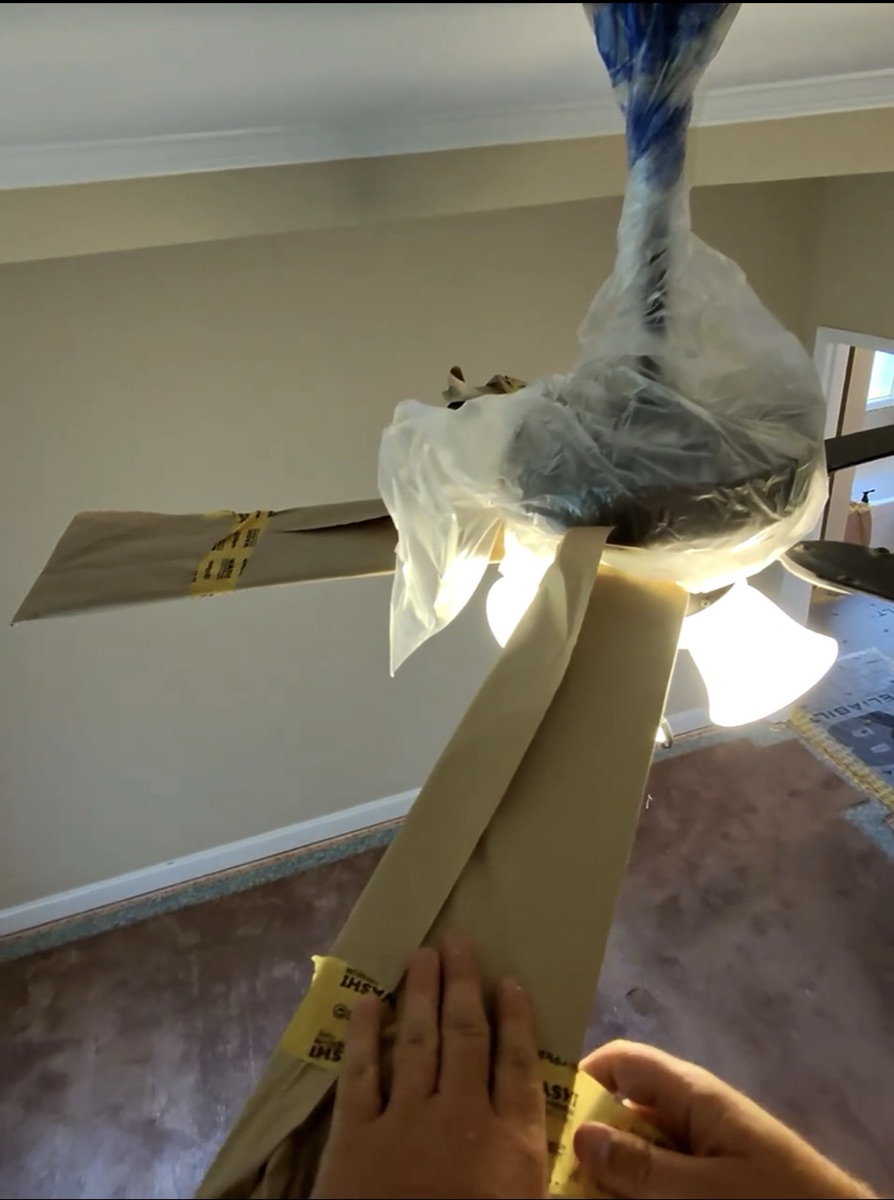
FrogTape® Advanced is the newest tape in this guide and our second-most-used behind the Washi. What makes it different is stretch. The backing gives and conforms in a way no other painter's tape we've used does — you can work it around gentle curves and almost steer it around a slightly rounded corner. That's a genuinely unique capability, and it has to be learned; give yourself a job or two before you judge it.
That stretch is also why it beats everything — including the orange tape below — on grainy, cracked, and uneven surfaces in our experience. It forms down into all the little hills and valleys, which is exactly where straight, stiff tapes leave gaps for paint to creep under. On masonry and brick, once you've learned to work the stretch, it seals better than anything else we carry.
The honest downsides: it's the worst tape we use at tearing. It bunches up when you tear it off the roll — the same stretch that makes it conform makes it fight you at the tear. And it carries slightly more stick than the Washi. It'll stick to just about anything, which is great for holding — but on delicate situations, be careful with it and test first.
FrogTape® Delicate (Yellow): For the Most Fragile Surfaces
When the surface is the concern — fresh paint that's still curing, a finish you don't fully trust, anything you'd wince to see peel — the yellow FrogTape® Delicate is the tool. It has less stick than even the Washi, it tears amazingly well, and it's truly a great product for what it's built to do.
The trade-off is the same low tack that makes it safe: this tape can come loose on you. Tack every inch down really well, because under spray pressure — or any real pressure — it can pull off fairly easily. Hanging 3M plastic on a rough surface with Delicate is the wrong choice, full stop; that's a job for the Advanced. Think of the yellow roll as protection for the surface first and holding power a distant second.
FrogTape® Pro Grade Orange: The Rough-Surface Workhorse
We use a lot of Pro Grade Orange. If the surface is smooth block, it's the first roll we pick up. On rough exterior surfaces generally — brick, block, stone — it's a staple, and it holds in conditions where lighter tapes give up. If the surface is more grainy or irregular, that's when we start thinking harder about the Advanced and its stretch — but orange covers a ton of use cases, and we love it.
Now the warning, because it matters: this tape can pull paint off trim and drywall easily if the paint was improperly applied or is too fresh. Using it inside on finished surfaces — hardwood floors, cabinets, delicate trim — is a risky decision, and I need to stress that. This is exactly why the Washi gets picked up so often instead: it removes almost all of that risk and still does the job most of the time. Ask the surface question before the orange roll comes out indoors.
3M Blue: The Cost-Effective Standby
The classic 3M blue tape still earns its shelf space. It's a great choice for taping rosin paper and other floor protection, and for years we ran it that way with no issues. For general taping on non-delicate surfaces it's cost-effective and it works — there's a reason every hardware store in America stocks it.
These days I personally spend a little more and use the Washi even for floor protection, purely as extra insurance. And the same caution applies as with any medium-high-tack tape: blue can be too sticky for fragile finishes, so be careful where you put it.
Blue Dolphin Orange Rough Surface Tape: Concrete Only
For one specific job there's nothing better: Blue Dolphin's orange Rough Surface tape — a duct-tape-style masonry tape with a fibre-reinforced cloth backing, from the same company that makes our all-around Washi. Its use case is high-traffic concrete — holding floor protection or plastic down on sidewalks and concrete floors that get walked on all day, where regular painter's tape would be shredded by lunch. It sticks hard, it lasts, and on concrete you don't have to worry about what's underneath.
Everywhere else, treat it like a power tool: this stuff will destroy drywall and pull paint off weak surfaces. Be extremely careful where you use it. If you need something to stick and last on rough concrete, it's the right choice — that's the whole list of places it belongs.
Double-Sided FrogTape®: The Hack Tape
The most unique roll in the van. Double-sided FrogTape® is built as a containment tape — sticking plastic sheeting to surfaces for dust and spray containment — and it does that job very well. But it's become our hack tape, and we find more uses for it every month: tacking big plastic up or down when you're working alone, rolling a drop or a runner tight to a floor or countertop so it can't creep, holding masking exactly where you want it without a helper.
One trick worth stealing: when we're worried about the surface, we lay a strip of Washi down first and stick the double-sided tape on top of it. The Washi takes the surface risk; the double-sided does the holding. Because make no mistake — this one is sticky. It's earned a permanent spot in every one of our vans.
The One We Don't Use: Cheap Contractor-Grade Masking Tape
You'll notice the classic cheap white or brown contractor-grade masking tape isn't in our lineup. That's deliberate. In our view, the few dollars saved per roll aren't worth the problems that tape can cause: it often doesn't pull clean, it can damage underlying surfaces on removal, and it doesn't tolerate being left on for a few days when a job runs long — which real jobs sometimes do.
I'm sure there are use cases where it's fine. But we tape onto customers' walls, trim, and floors for a living, and we'd rather spend a little more per roll than gamble a surface on it. That's just the way we view it — play it safe.
How We Actually Decide
- Default, any surface we're not 100% sure about: Blue Dolphin Washi.
- Curves, grainy or uneven surfaces, brick and masonry sealing: FrogTape® Advanced.
- Fresh paint or fragile finishes: FrogTape® Delicate — tacked down thoroughly, and never load-bearing.
- Smooth block and rough exteriors: FrogTape® Pro Grade Orange — with real caution indoors.
- Floor protection on a budget: 3M blue (we often upgrade to Washi for insurance).
- High-traffic concrete: Blue Dolphin orange Rough Surface tape — and nowhere else.
- Containment plastic and one-person hacks: double-sided FrogTape®, over a Washi strip on any surface we care about.
And on every single one: press your edges down, test on an inconspicuous spot when the surface is questionable, and pull tape at a low angle, sooner rather than later. Even the right tape used wrong will disappoint you.
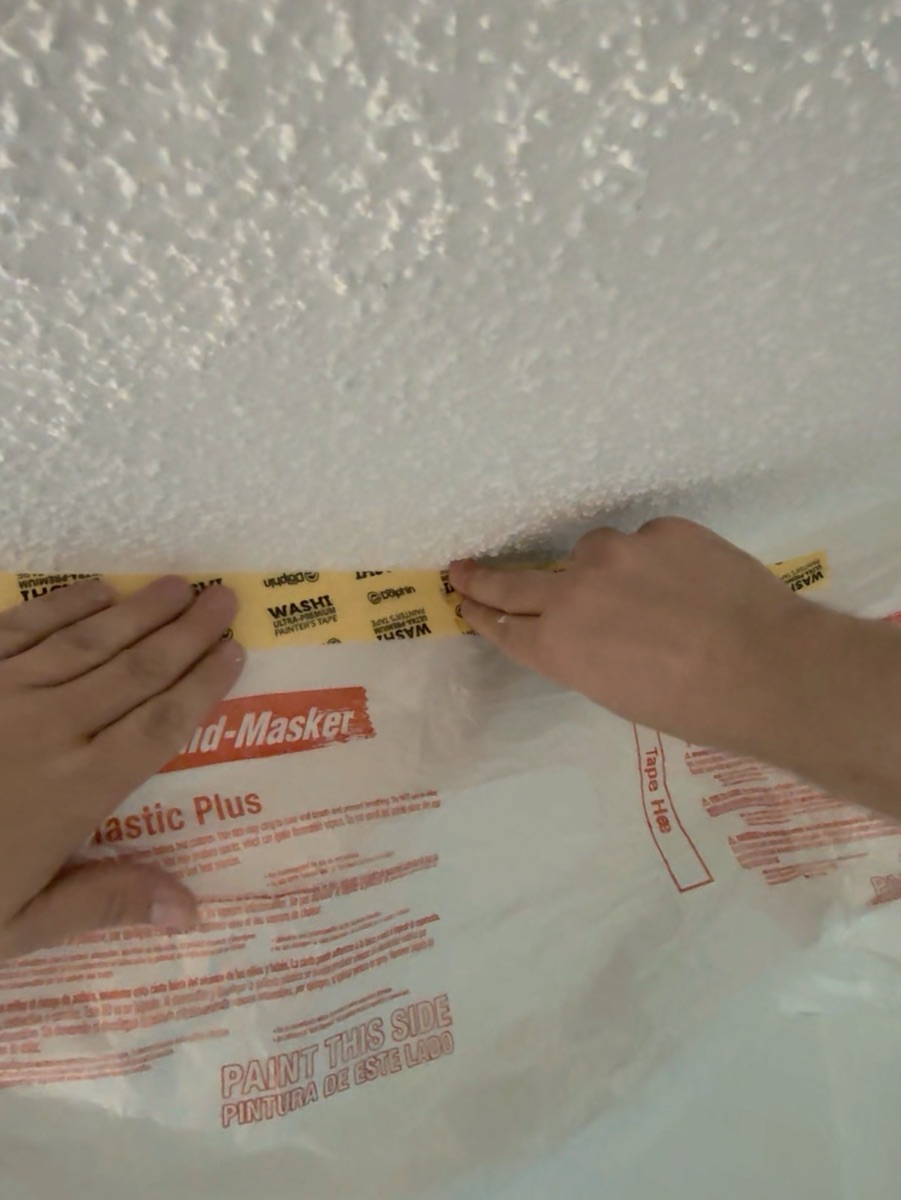
One more tool tip that pays for itself daily: a putty knife with a really flexible blade works wonders for tacking tape down on trim, window sash, and other surfaces. Run the flat of the blade along the tape and it presses the edge down tight and even in one pass — better than fingers ever will. The key word is flexible: a stiff blade rides on its corners and can cut or scuff; a really flexy one lays flat and follows the surface. That, plus a damp rag run along Washi once it's placed, is how we seal our lines.
Frequently Asked Questions
What is the best all-around painter's tape?
For us it's Blue Dolphin Ultra Premium Washi tape. It tears cleanly, blocks paint very well when the edge is pressed down (we run a damp rag along it), holds up under spraying, and has a middle-ground tack that almost never pulls paint. It removes most of the surface-damage risk while still getting the job done — which is why it's our default on nearly every job.
Which painter's tape won't pull paint off the wall?
No tape is zero-risk — fresh or poorly bonded paint can come up with any tape. But risk goes in order: FrogTape Delicate (yellow) is the gentlest, Blue Dolphin Washi is the best balance of gentle and functional, and high-tack tapes like FrogTape Pro Grade Orange or any masonry duct tape are the ones that will pull paint off drywall and trim if the paint is fresh or improperly applied. When in doubt, test a small hidden spot first.
What's the best painter's tape for brick, block, and rough surfaces?
In our experience: FrogTape Pro Grade Orange is the workhorse — on smooth block it's the first roll we grab. But on grainy, cracked, or very uneven masonry, FrogTape Advanced actually seals better once you learn to use its stretch, because it forms down into the hills and valleys where stiff tapes leave bleed gaps.
Is FrogTape Advanced worth it?
Yes, with a learning curve. Its stretch is a genuinely unique capability — it conforms to curves and rough texture better than any tape we've used, and it can almost steer around slightly rounded corners. The trade-offs: it's the worst tape we use at tearing off the roll (it bunches), and it carries a bit more tack than washi tape, so be careful on delicate surfaces.
What tape should I use to hang masking plastic?
Depends on the wall. On sound, painted smooth surfaces, washi tape holds plastic fine — including under spraying. On rough surfaces, use FrogTape Advanced; a delicate-surface tape is the wrong choice there because it can release under pressure and drop your plastic mid-job. For containment plastic, double-sided FrogTape is purpose-built — and on a surface we're worried about, we stick it on top of a strip of washi so the gentler tape touches the wall.
Is 3M blue painter's tape still good?
Yes. It's cost-effective, widely available, and a great choice for floor protection (rosin paper) and general taping on non-delicate surfaces — we used it for years with no issues. It can be too sticky for fragile finishes, so keep it off surfaces you don't trust. We now often pay a little more for washi tape as extra insurance, but blue remains a solid working tape.
What is double-sided painter's tape used for?
Its main purpose is containment — holding plastic sheeting for dust and overspray control. But it's also the biggest hack tape in our vans: tacking big plastic up solo, rolling drops tight to floors and countertops, and holding masking without a second pair of hands. It's sticky, so on any surface you care about, put a strip of regular washi tape down first and stick the double-sided to that.
Is cheap masking tape OK for painting?
We don't use cheap white or brown contractor-grade masking tape at all, and that's a deliberate choice. In our experience it often doesn't pull clean, it can damage the surface underneath on removal, and it can't be left on for a few days when a job runs long. There may be use cases where it's fine, but with a customer's walls and trim on the line, we'd rather pay a little more per roll and play it safe.
Why is my paint bleeding under the tape?
Usually one of three things: the tape edge was never sealed (press it down — we run a damp rag along washi tape after placing it), the tape doesn't conform to the surface texture so paint creeps through the gaps (rough surfaces need a conforming tape like FrogTape Advanced), or too much paint was loaded right at the tape line. Fix the seal and the surface match and bleed mostly disappears.
Want It Done Right Instead?
Taping and masking is half of what separates a clean paint job from a mess — it's also the part most people underestimate. Rock's Painting handles interior and exterior painting across Johnson City, Kingsport, Bristol, and the Tri-Cities, and we sweat this stuff so you don't have to. We review the tools we actually use, too — like our Purdy® Spirex™ brush review.
Request a free estimate or call (423) 207-2347.